New England Family Intervention Partners, where compassion meets expertise.

Our founder Anthony Costa, National Certified Intervention Professional is a person in recovery since 2005. He has helped over a hundred individuals achieve and maintain recovery from multiple addictions. He has worked with families to address addictions and mental health challenges faced by their loved ones. Together, we can take the first step towards healing and recovery.

Our team of professionals includes nationally certified interventionists, Massachusetts-licensed mental health clinicians, certified case managers and recovery coaches.

What is an intervention?

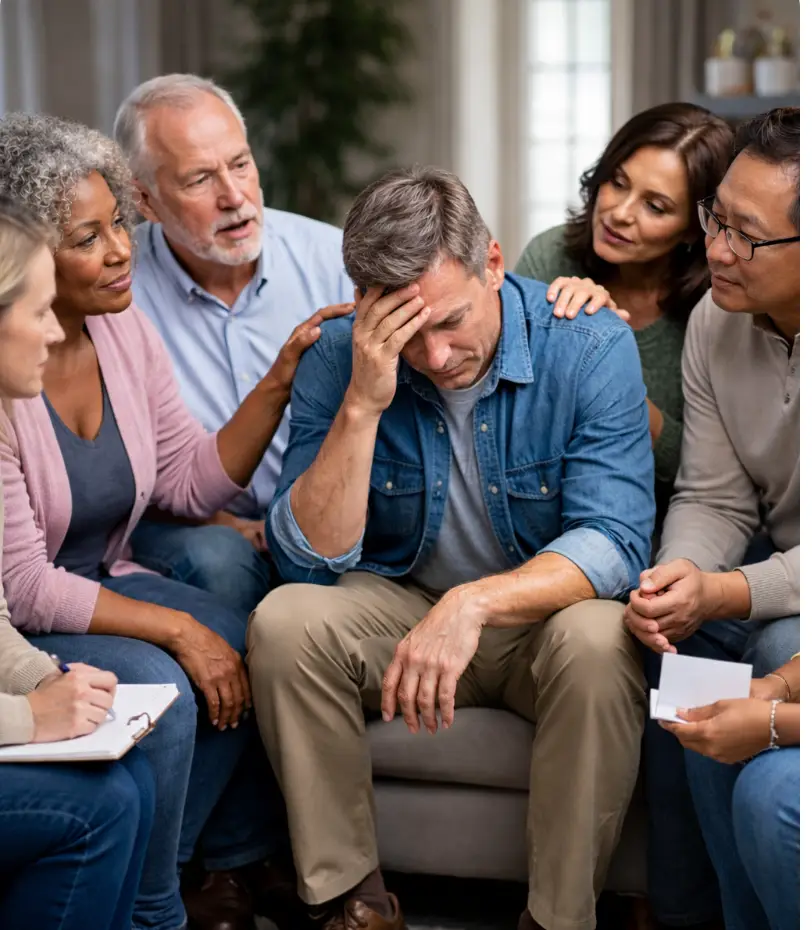
An intervention is a thoughtfully planned and supportive conversation between a person struggling and the people who care about them most. An intervention will be an emotionally intense experience. It should reflect care, concern, and a genuine desire to help.
 

Why use a National Certified  Intervention    Professional (NCIP)?

Making a decision to hold an intervention is just the beginning of the recovery journey. While there may be challenges along the way the intervention when conducted by a NCIP will more likely lead to lasting healing and positive change. 

A NCIP plans and prepares thoughtfully.

Addressing a loved one’s issues calls for careful planning and preparation. Thoughtful preparation helps create a more supportive and successful intervention process.

A NCIP identifies each participant’s role.

It’s important to thoughtfully consider who should be present, this is a structured and purposeful conversation. The individuals involved should be those who care deeply about the person and are in a position to offer meaningful support and encouragement. 

A NCIP can present boundaries without emotional entanglement. 

A key part of an effective intervention is clearly communicating expectations and boundaries. A NCIP can convey these in a compassionate and clear tone. 

A NCIP will help all communicate with clarity. 

Prior to the intervention, the NCIP meets with participants to provide guidance on appropriate and supportive communication.